
At first glance, genuine gold bars may look the same, but if you look a little closer, you'll see that there's a lot more going on than you might think. If you're new to the idea of buying gold bars, you should know that there are several sorts of bars, they come in different sizes, and the different purity designations indicate different things.
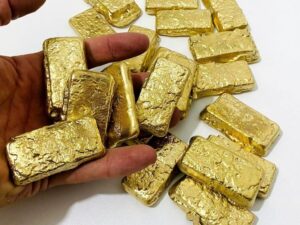
The first thing you should know is that there are two main types of gold bars: cast bars and minted bars. To make cast bars, you pour hot gold into molds and let it cool and harden. Each bar is different in little ways and looks rougher and more rugged as a result. There are no two cast bars that are precisely the same, and their attractiveness frequently comes from how unusual they are and how they look like they belong in an industrial setting. On the other hand, gold bars that are struck start out as long, rolled sheets of gold. These sheets are cut to size and then pressed with patterns and words to make bars that are very smooth, shiny, and clean. Minted bars all appear the same, which is particularly tempting to people who like things to be exact and have a lot of detail.
Gold bars come in a wide range of weights, so you may find one that fits your budget and investment plan. The lightest gold bars weigh only one gram, which makes them a popular and easy-to-give present or first-time purchase. You can also find these sizes: 5 grams, 10 grams, 20 grams, 50 grams, and 100 grams. Gold bars come in bigger weights for more serious investors. These include the 250-gram, 500-gram, and well-known 1-kilogram bars that are regularly shown in movies and TV shows. Ultra-large bars, like the 400-ounce bars kept in bank vaults, are also available at the upper end of the range. However, these are usually only for institutional investors and big trades.
Purity is another important thing, and the bar itself generally has a mark that says such. You will probably see numbers like 995 or 999.9, which tell you how many parts out of 1,000 are pure gold. 999.9 is the industry standard for investment-grade gold bars. This signifies that the gold is 99.99% pure. Investors really want this level of purity. Gold bars with lower purity standards, such those with the stamp 916 (91.6% pure, or 22-karat gold), are more likely to be found in jewelry than as investment bars.
The brand also matters. There are many well-known refiners and mints around the world whose names are a sign of quality and authenticity. The gold content and quality of their bars are guaranteed by well-known companies including PAMP Suisse, Heraeus, the Perth Mint, and The Royal Mint. Most gold bars also have an etching on them that shows their weight, purity, serial number, and sometimes the mark or symbol of the refinery.
When thinking about buying a gold bar, keep in mind that its worth relies on a number of things, including its size, look, brand, and most significantly, how much gold it contains and how pure it is. There is a gold bar out there that will fit into your investment plan or personal collection, no matter if you like the bulky feel of cast bars or the smooth polish of minted bars. You can buy a small 1-gram bar or a big 1-kilogram bar. If you take the time to learn these basics, you'll be more likely to make a smart and confident gold buy.